Potamia is a traditional village set in the heart of a wonderfully lush and cool valley, 8km from Chora, the main town of Naxos, replete with monuments of island’s history and its economic and cultural past since the Middle Ages –water mills, chapels and ruined towers.
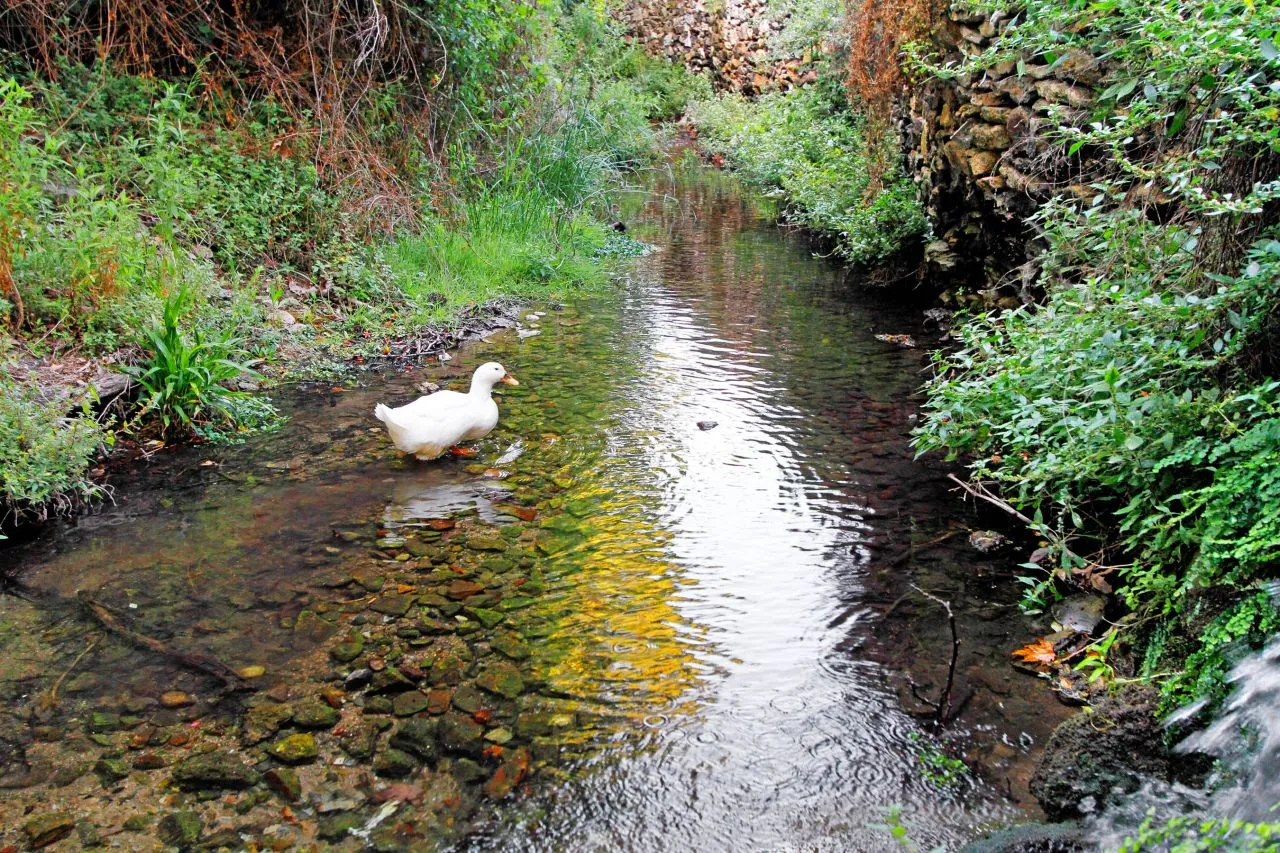
The village derives its name from the streams crossing the area (potami= stream, river), which realized its heyday during the period of Frankish rule, when it was a popular country resort for the Venetian nobility.
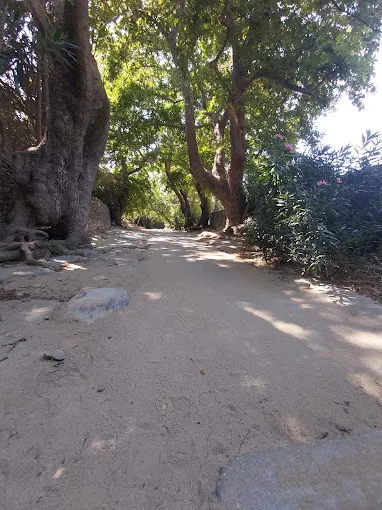
Located in the center of the island, it comprises four neighborhoods –Ano Potamia, Messi Potamia, Lierado and Kato Potamia which retain their traditional color in the midst of an idyllic environment with abundant waters, age-old plane trees and lush gardens.
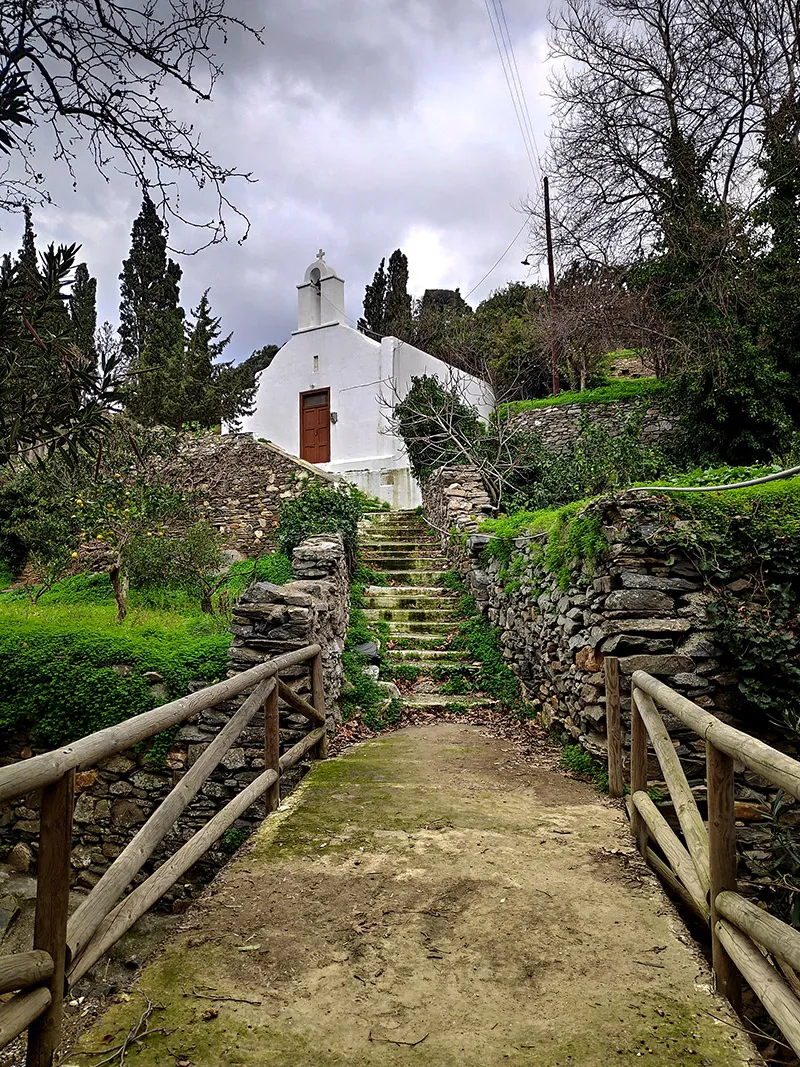
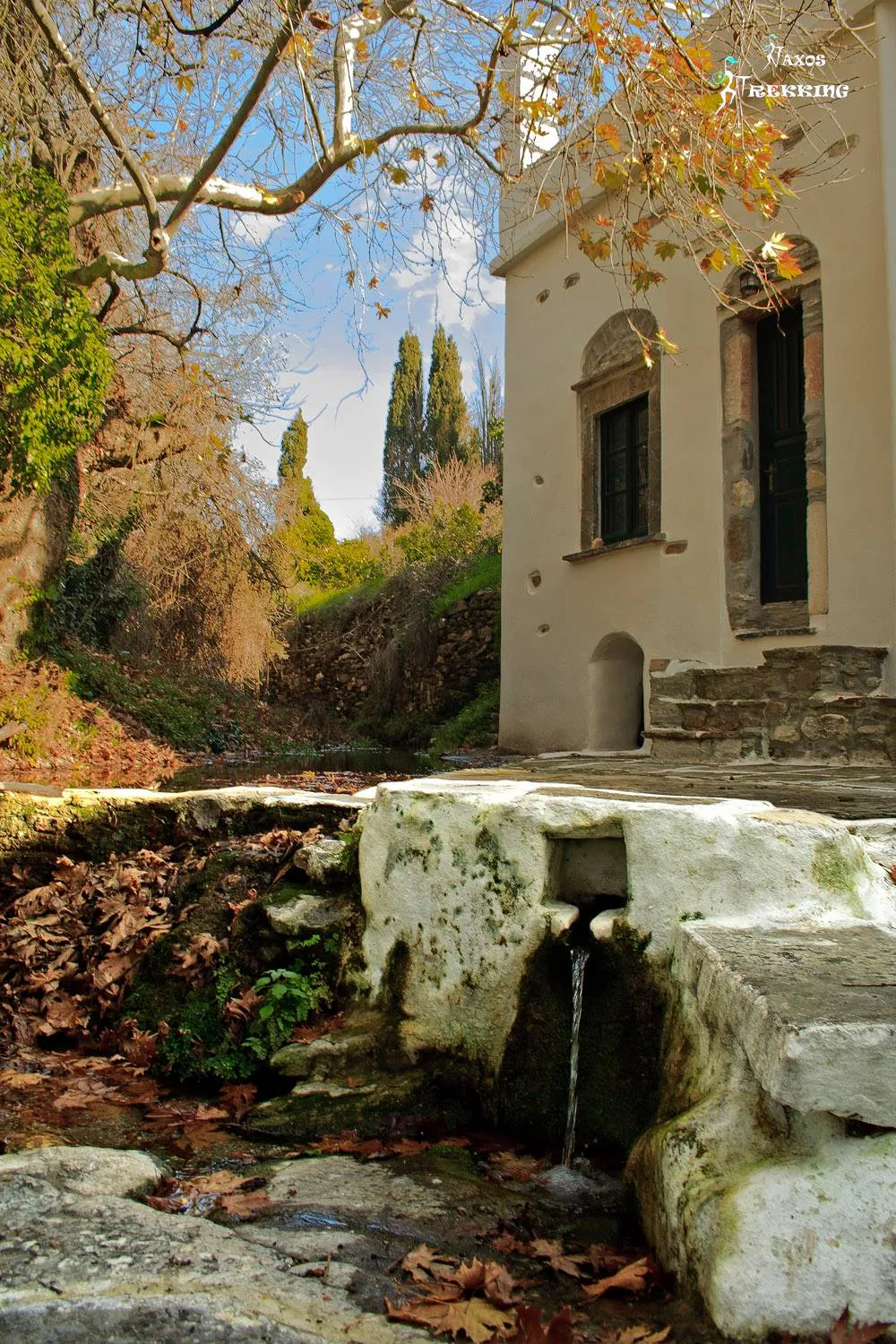
A standout feature in Ano (“Upper”) Potamia is the square with the old water font, next to the chapel of Agios Ioannis Theologos (1799), while one of the 14 old watermills situated on the outskirts of the settlement has been restored and can be visited.
The unfinished archaic stone statue of Kore -a mythical female figure- is seen just outside the upper part of the village. A male counterpart is found some distance away, on the way to the village of Melanes.
Agios Georgios, built in 1898, is the parish church in Messi (“Middle”) Potamia.
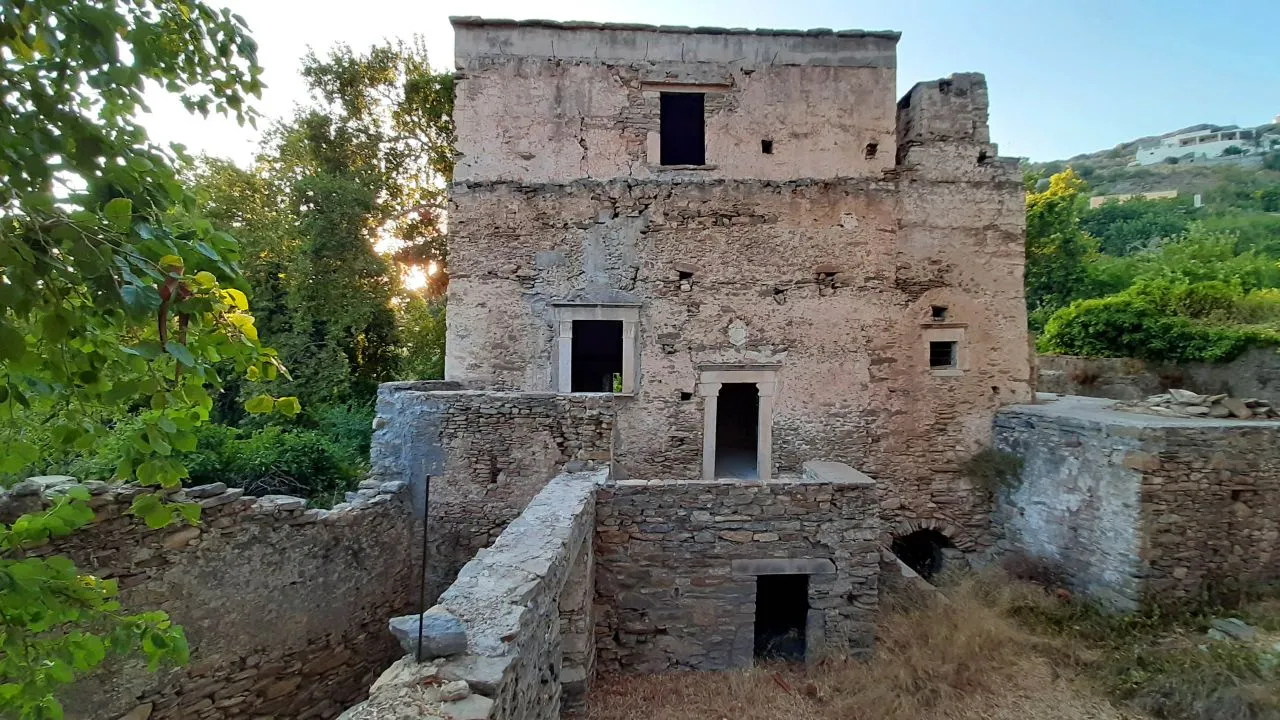
A three-storey, 17th century tower house built by the Kokkos family in the Lierado neighborhood, is the most impressive sight in the area, amidst olive and plane trees. A watermill is in the basement and interesting inscriptions can be seen on the lintels above the entrances.
According to legend, the tower, which was once also owned by the Barozzi family, was part of the setting of a Romeo-and-Juliet like love affair that involved members of the rival Kokkos and Barozzi families. It lay half-ruined for many years but was recently restored by its present owner.
The church of Kato Potamia, dedicated to Panagia (Virgin Mary), was built in 1871 and is considered miraculous by the islanders.
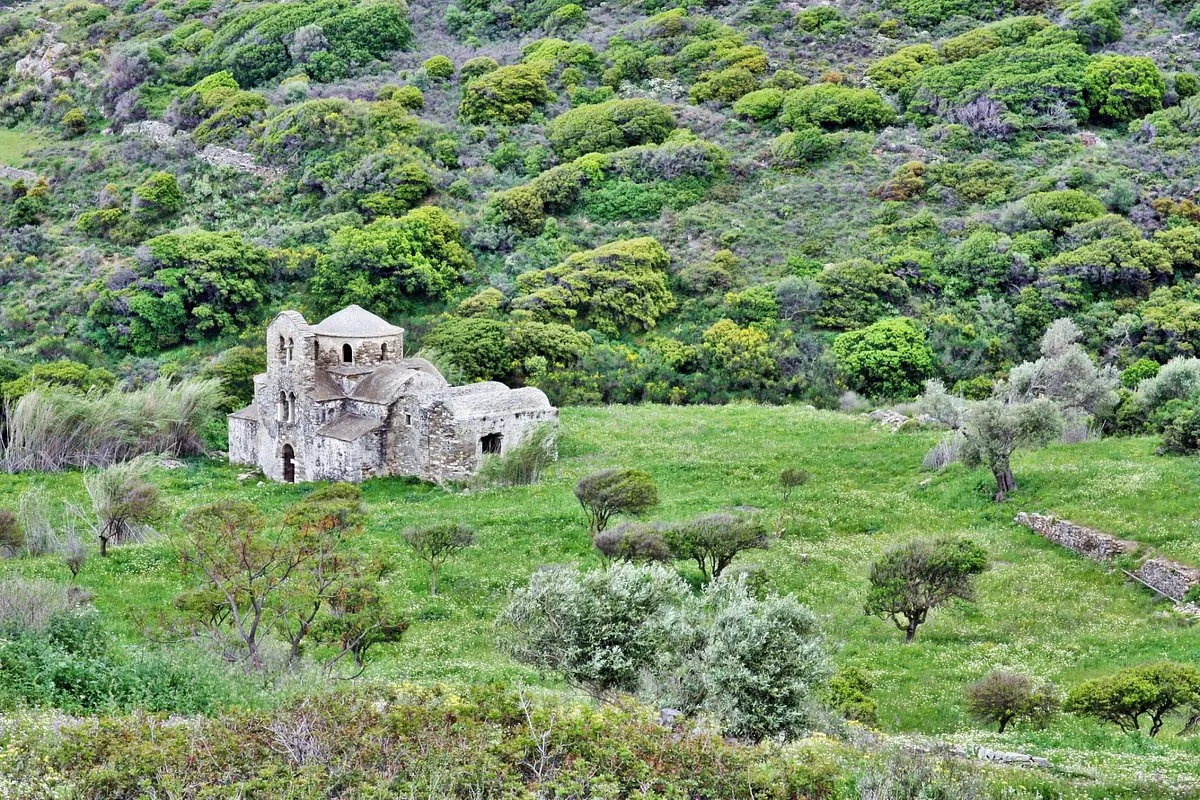
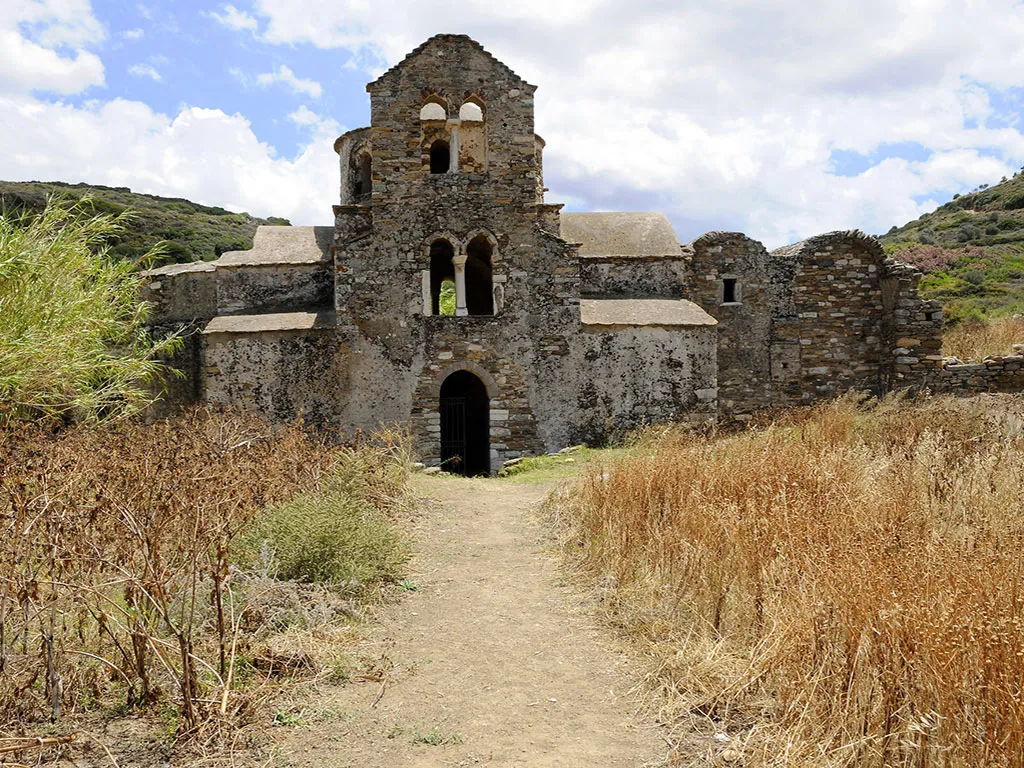
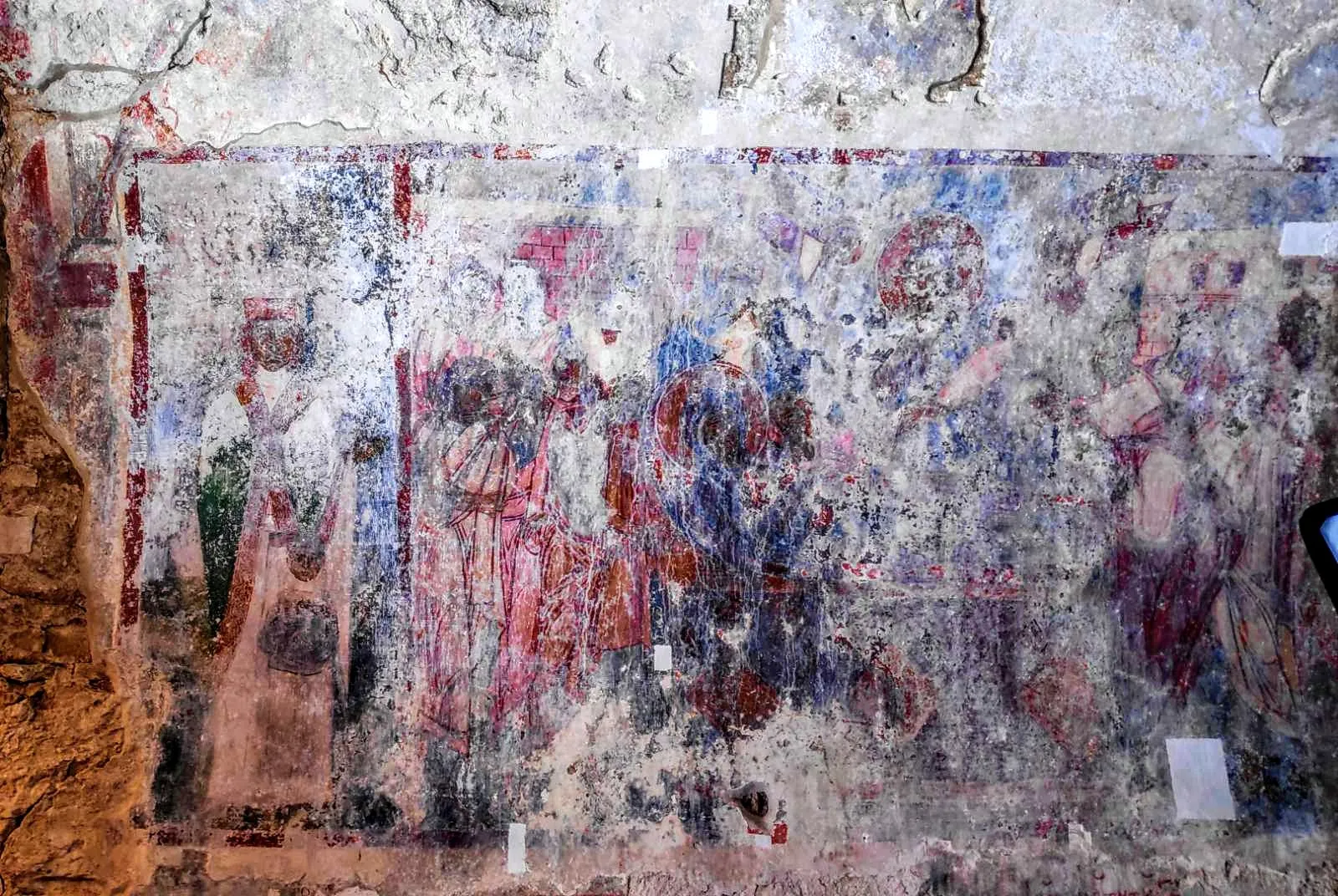
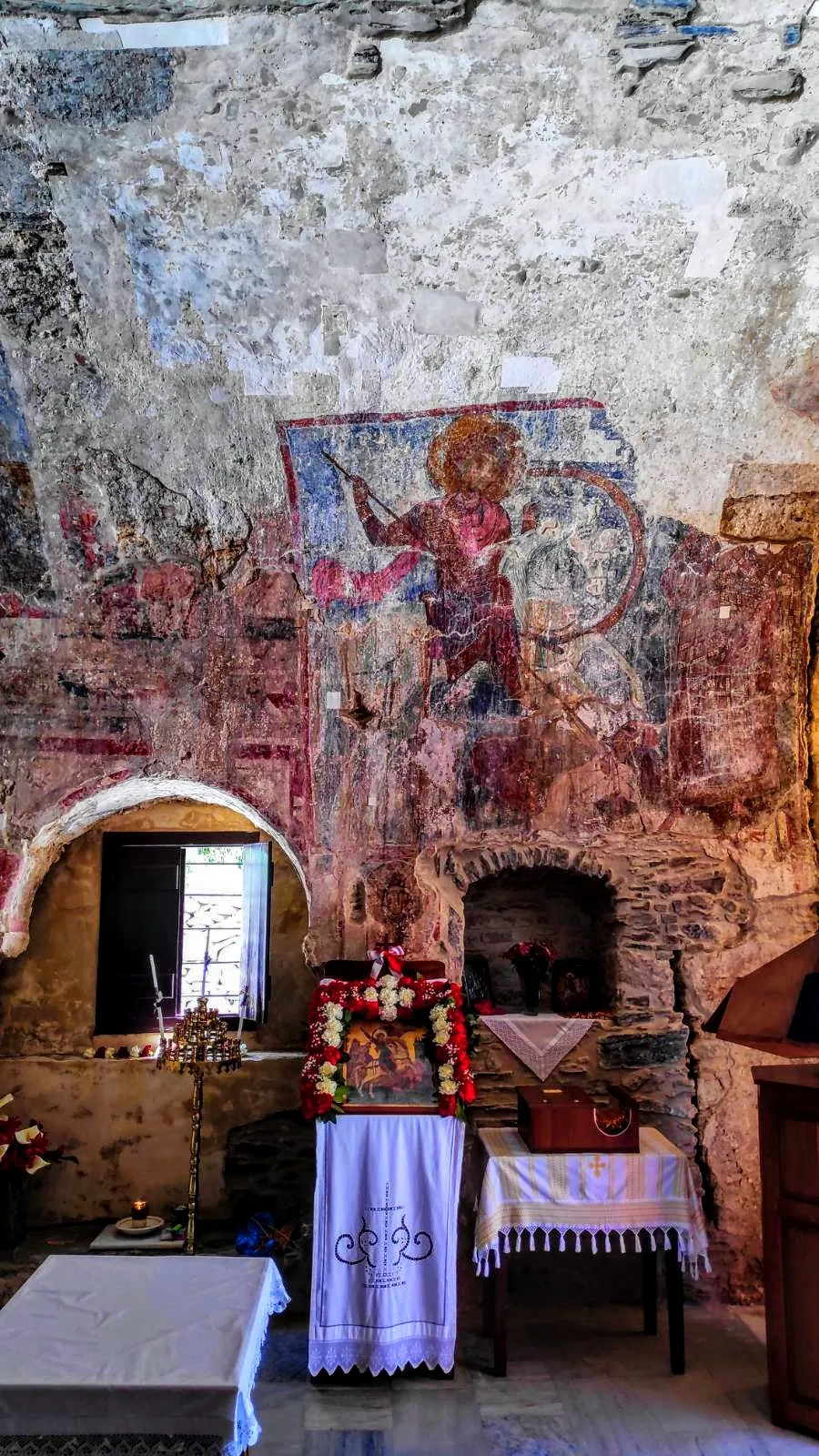
The most important of the 37 churches in the Potamia area is Agios Mamas, a Byzantine 10th century basilica at Mitropolou position, on the way to Filoti. Agios Mamas is considered the patron saint of shepherds.
Also known by the name of Theoskepasti, the chapel is one of the island’s oldest and was most likely built on the foundations of an early Christian church around the middle of the 10th century.
It is cruciform and of considerable architectural and archaeological interest, with noteworthy sculptures and frescoes inside. According to an engraved inscription in the chapel, a bishop named Leon was responsible for its construction.
Before the Frankish Conquerors Agios Mamas was the seat of a Greek Orthodox diocese.
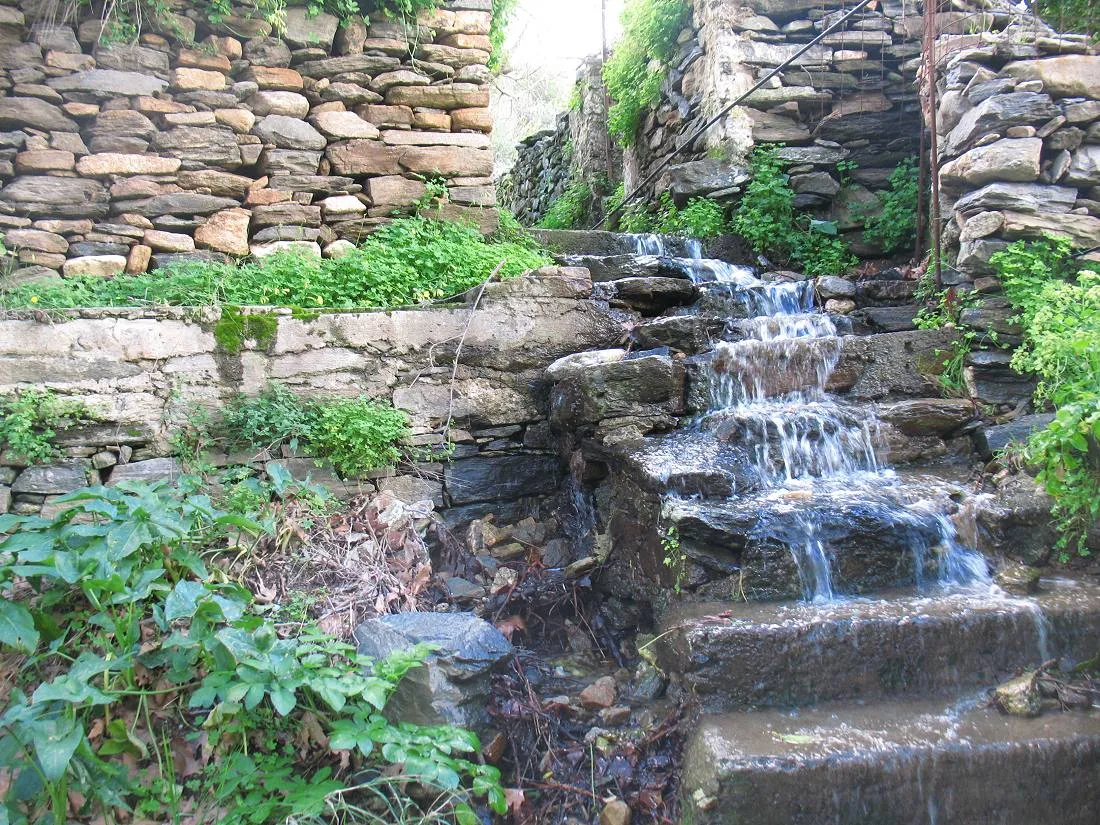
Potamia is a walker’s paradise, with many trails, traditional stone bridges, ponds with ducks and waterfalls in the winter months.
The main source of income for the approximately 300 permanent residents of Potamia today is farming. The village is well-reputed for its sweet preserves, excellent cheeses and wine.